
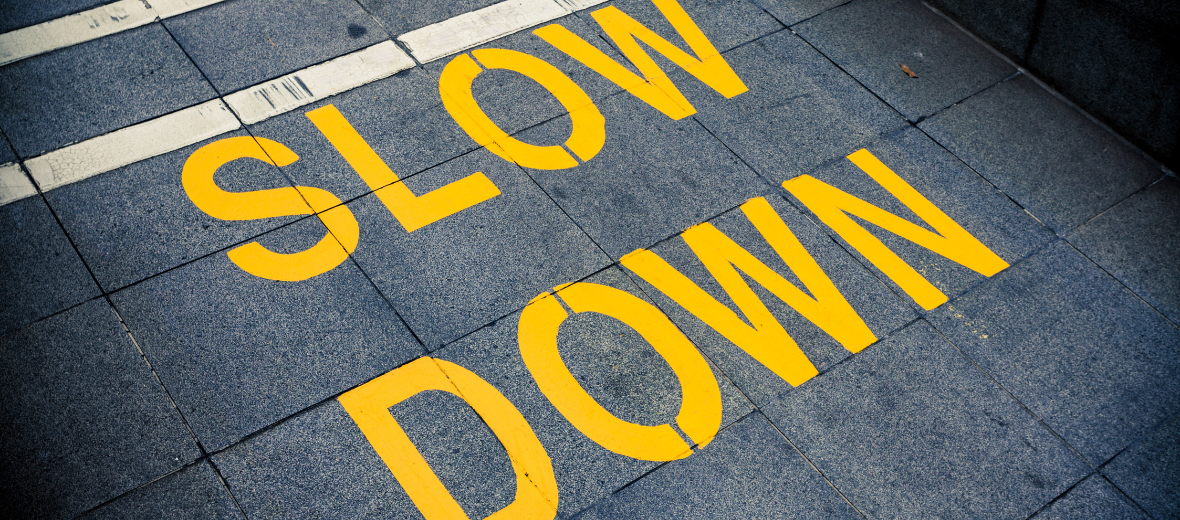
I’ve started noticing that a lot of people no longer know how to relax without trying to improve something at the same time.
A walk becomes “steps” and reading becomes “personal growth”. And a weekend somehow turns into an opportunity to optimise sleep, organise finances, stretch properly, answer emails, do meal prep, and improve gut health before Monday arrives again.
Even rest feels competitive now, with people tracking sleep like they’re preparing for the Olympics (I have no chance of qualifying for such an event by the way). Holidays become content creation exercises and opportunities.
Someone, somewhere, has apparently decided that waking up at 5am to sit in an ice bath while listening to a podcast about peak performance is the route to inner peace (I think they are missing a trick – just think what could they achieve if they got up at 4:45am instead?).
And to be fair, I understand how we got here.
Modern life quietly encourages the idea that every area of life can be improved, upgraded, streamlined, maximised, or hacked if we just try a little harder. There now seems to be a “best” way to do almost everything, according to somebody online, usually someone with extremely white teeth speaking confidently into a microphone.
The strange thing is that despite all this optimisation, in reality, many people seem absolutely exhausted. Not dramatic, falling-apart exhausted. Just quietly tired in a way that sits permanently in the background.
I think a lot of people feel this in midlife, particularly those juggling careers, children, ageing parents, financial responsibilities, and the general admin of modern life.
Somewhere in the middle of all that, life starts feeling less like something you’re living and more like one of those supermarket self-checkouts that unexpectedly ask for assistance every thirty seconds.
You’re technically still moving forward, but the whole experience has become oddly stressful. And, weirdly, even the things designed to help us slow down often become another thing to manage:
- Meditation apps with streaks
- Productivity systems for organising your productivity systems
- Smart watches politely informing you that your recovery levels are disappointing
There’s probably somebody competitively relaxing as we speak. The irony is that I’m not even sure a lot of people want bigger lives anymore. I think many of them just want things to feel a bit simpler.
Not necessarily easier, just lighter, with fewer decisions, less noise, and less mental clutter sitting permanently in the background. More time that doesn’t immediately need to be justified as “productive” because somewhere along the line, being busy became a personality trait.
People now say things like “I’ve been manic” with the sort of pride previous generations reserved for running a marathon or surviving a small war. And the problem is that constant optimisation quietly creates the feeling that you should always be doing something else:
- Improving something
- Tracking something
- Planning something
Even sitting still starts to feel vaguely irresponsible – I suspect that’s partly why so many people struggle to switch off properly.
There’s always another notification, another article, another podcast explaining how successful people wake up earlier, focus harder, eat differently, invest better, or somehow remain emotionally balanced while answering emails on a treadmill.
Honestly, it sounds exhausting.
The older I get, the more I understand the appeal of simplicity. Not in a dramatic “sell everything and move to the countryside” sort of way. Most of us still enjoy modern convenience and would struggle emotionally if the WiFi stopped working for more than seven minutes.
But I do think people increasingly crave a bit more mental breathing space. A bit more optionality and a life that feels slightly less relentlessly managed.
And, interestingly, many financial conversations end up being about that, even when they don’t start there.
On the surface, someone might say they want to retire earlier, organise old pensions, simplify investments, or reduce financial stress. But underneath it, what they usually want is more control over their time and a little less pressure sitting in the background all the time.
Why? Because uncertainty is tiring, complexity is tiring, and feeling permanently “on” is tiring. And maybe people don’t actually miss the past quite as much as they miss life feeling a little less relentless:
- Less tracked
- Less measured
- Less optimised
I’m not sure a perfectly optimised life is automatically a better one.

 Production